Not all honey is created equal! Learn how to choose high-quality raw honey, understand honey labels, and discover what makes raw honey a natural pantry staple for your family's wellness and everyday kitchen needs.
Honey has been treasured for generations as a natural sweetener and a versatile ingredient in traditional home remedies. Whether you enjoy stirring it into a cup of herbal tea, drizzling it over breakfast, adding it to homemade recipes, or keeping a jar in your natural wellness cabinet, honey is a wonderful ingredient to have on hand.
But when you walk down the grocery store aisle, you'll quickly discover that not all honey is the same. Between raw honey, organic honey, filtered honey, unfiltered honey, local honey, and specialty varieties, choosing the right jar can feel a little overwhelming.
So, how do you know which honey is worth buying?
The truth is that quality matters. Processing methods, sourcing, ingredients, and labeling can all influence the honey you bring home.
In this raw honey buying guide, we'll walk through everything you need to know to make an informed purchase, including what raw honey actually means, which labels to look for, how to recognize quality honey, and what to avoid when shopping.
If you're trying to make more natural choices for your household, this guide will help you find honey that fits your kitchen and natural living lifestyle.
1. What Is Raw Honey?
Raw honey is honey that has undergone minimal processing after being harvested from the beehive. Unlike many commercially processed honey products, raw honey is generally not subjected to extensive heating or fine filtration.
This helps preserve more of its naturally occurring components, including:
Naturally occurring enzymes.
Small amounts of pollen.
Trace minerals.
Antioxidant compounds.
Natural aromatic and flavor characteristics.
Raw honey can vary considerably in color, texture, flavor, and thickness depending on the flowers the bees visit and the region where the honey is produced.
Some varieties are light and delicate, while others are dark, rich, and robust.
Why choose raw honey?
Many people prefer raw honey because it is less processed and offers a more natural alternative to highly refined sweeteners. It also provides a unique flavor that can enhance everything from homemade salad dressings to herbal teas.
Keep in mind that raw honey is still primarily sugar. Although it contains small amounts of naturally occurring beneficial compounds, it should be enjoyed in moderation.
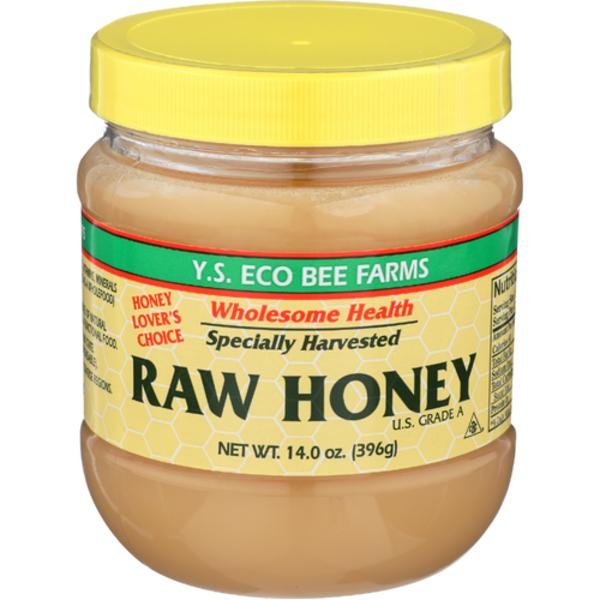
Raw honey for natural living
2. Look for the Words "Raw" and "Unfiltered"
One of the first things to check when purchasing honey is the product label.
Look for honey labeled:
Raw honey
Unfiltered honey
Minimally processed honey
Raw and unfiltered honey
These descriptions can help you identify products that have undergone less processing.
What is the difference between filtered and unfiltered honey?
Filtered honey has been processed to remove fine particles, including pollen. Some commercial honey is also heated during processing to make it easier to filter, package, and maintain a uniform appearance.
Unfiltered honey typically retains more of its naturally occurring particles, which may include pollen and tiny traces of beeswax.
Neither term automatically guarantees quality, but if your goal is to purchase minimally processed honey, raw and unfiltered varieties are worth considering.
3. Choose Honey With One Simple Ingredient
When shopping for natural honey, take a moment to read the ingredient list.
Ideally, the ingredient list should contain just one item:
100% Honey
You don't need added sweeteners, artificial flavors, preservatives, or syrups in a jar of pure honey.
Be cautious of products labeled honey blends, honey-flavored syrup, or honey products containing additional sweeteners.
Some products marketed with honey imagery may contain corn syrup, glucose syrup, or other inexpensive sweeteners rather than being pure honey.
If you're looking for a natural pantry staple, simplicity is best.
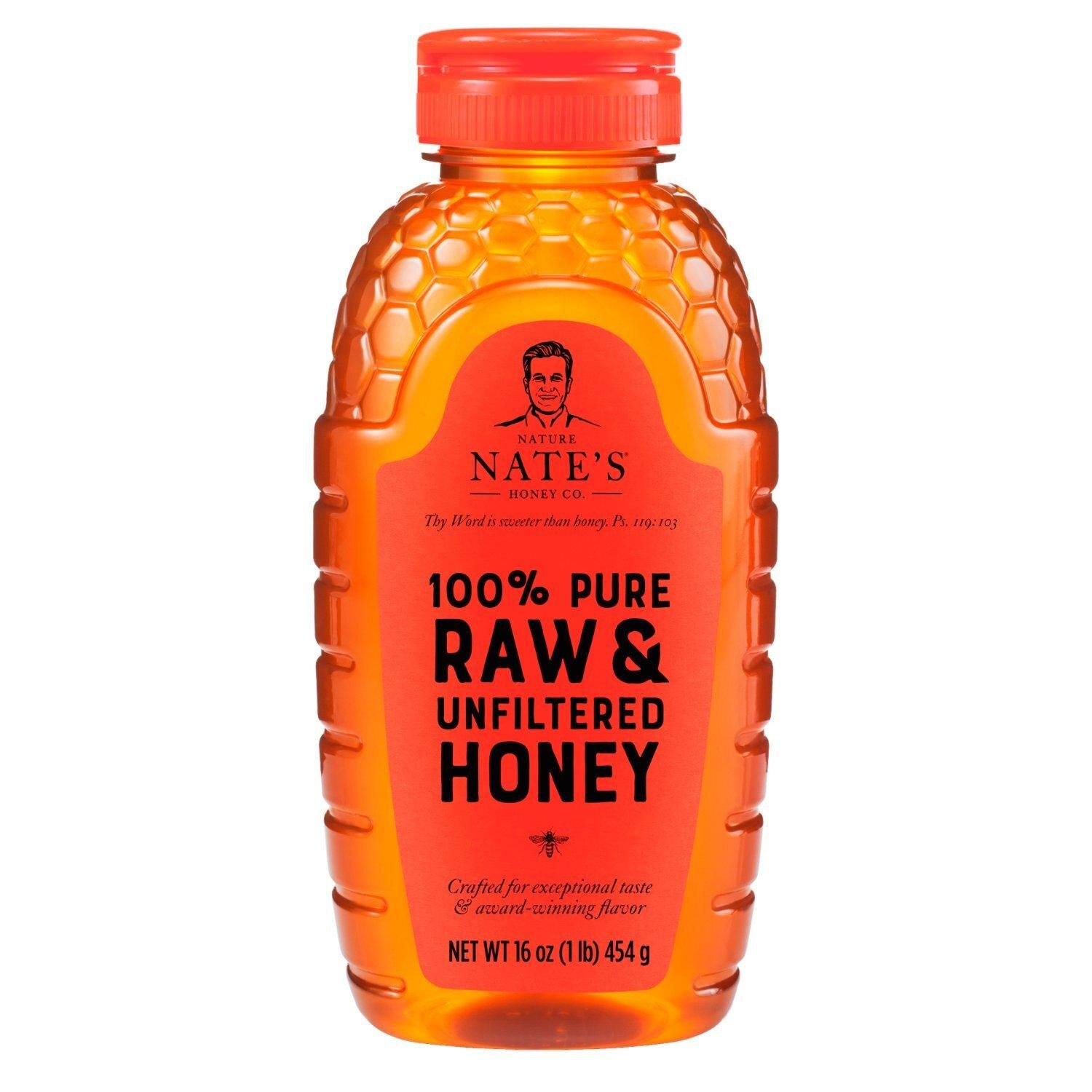
Everyday natural pantry staple.
4. Consider Local Honey From Trusted Beekeepers
One of the best places to begin your search for quality honey is your local community.
Local honey is often available through:
Farmers markets.
Local beekeepers.
Farm stands.
Small family-owned farms.
Local natural food stores.
Buying directly from a beekeeper gives you the opportunity to ask questions about how the honey is harvested, processed, and packaged.
You can also learn more about the flowers and plants that contribute to its flavor.
Why consider local honey?
Local honey supports small-scale beekeeping and gives you a chance to purchase honey from someone who can explain exactly where it came from.
Many people also enjoy exploring different local varieties because honey flavor changes depending on the plants and flowers available to bees.
One important distinction: Local honey is not automatically raw, organic, or unfiltered. Ask the producer about processing methods before purchasing.
5. Understand Organic Honey vs. Raw Honey
You may have noticed that some honey products are labeled organic while others are labeled raw.
Are they the same thing?
Not necessarily!
Raw honey describes how honey is processed after harvesting.
Organic honey refers to production and certification standards, which can include requirements involving the bees' environment, forage sources, and handling practices.
Honey production presents unique challenges for organic certification because bees travel beyond the beekeeper's immediate control.
If organic certification is important to you, look for an appropriate certification and verify what the label actually represents.
If minimally processed honey is your priority, look for raw honey.
Some products may meet both descriptions, making them an appealing option for shoppers who value both production standards and minimal processing.
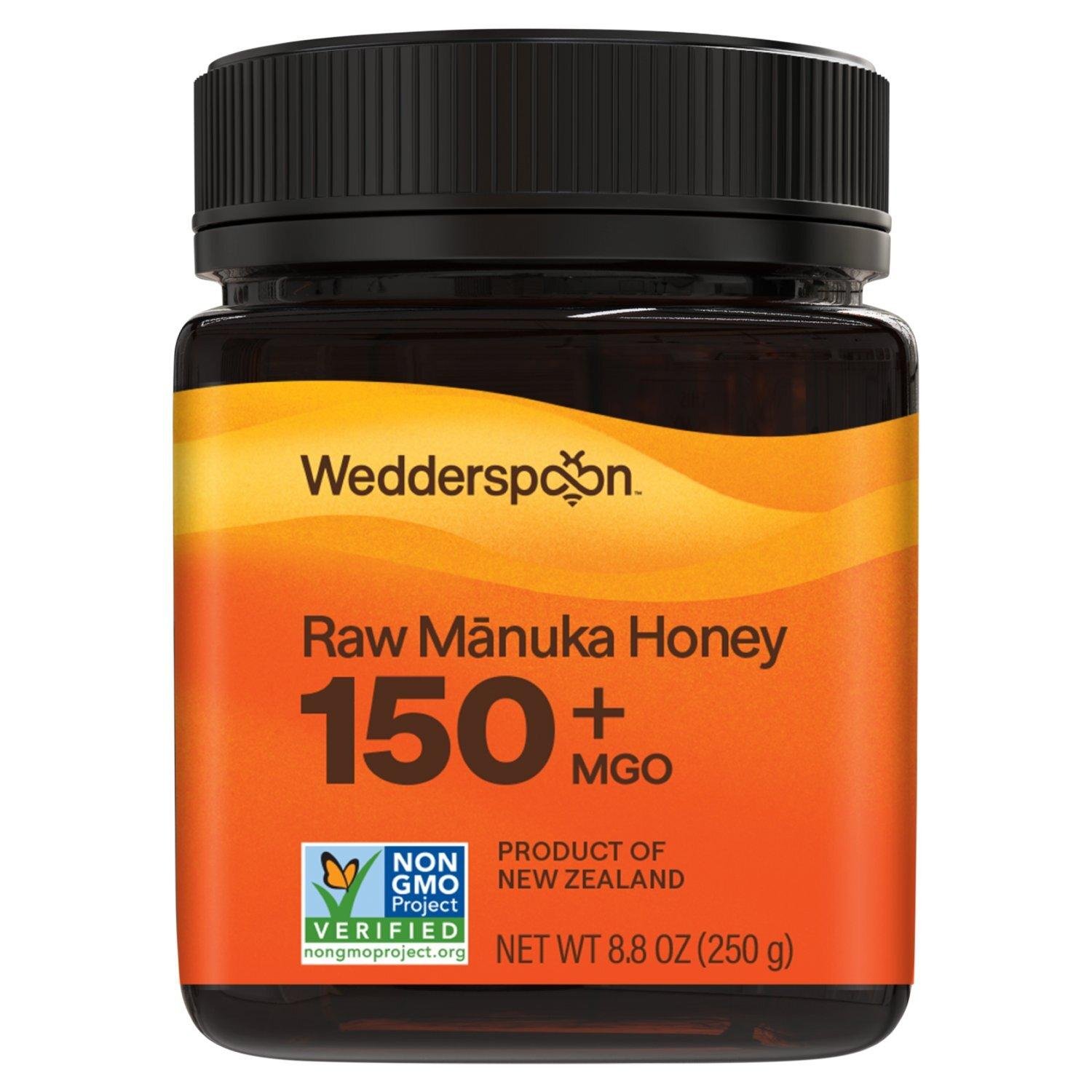
Specialty honey and premium pantry finds.
6. Don't Be Afraid of Crystallized Honey
Have you ever purchased a jar of honey only to discover that it became thick, cloudy, or grainy?
Don't throw it away!
Crystallization is a completely natural process that occurs when glucose in honey separates from its liquid form and forms crystals.
In fact, crystallization is common in many varieties of raw honey.
Several factors influence how quickly honey crystallizes, including:
The natural glucose-to-fructose ratio.
Storage temperature.
Pollen and other naturally occurring particles.
The floral source of the honey.
Some honey varieties crystallize within weeks, while others can remain liquid for much longer.
Does crystallized honey mean it has gone bad?
No. Crystallization alone does not mean honey has spoiled or is poor quality.
If you prefer a smoother consistency, place the closed jar in warm water and allow the honey to soften gradually. Avoid overheating it.
A little crystallization is simply part of the natural characteristics of honey!
7. Pay Attention to Color, Texture, and Aroma
Honey naturally varies in appearance, so don't assume that lighter honey is better than darker honey.
Different floral sources create different characteristics.
For example:
Light honey often has a mild, delicate flavor.
Amber honey may have a richer, more balanced sweetness.
Dark honey often has a stronger, more robust flavor.
Texture can also vary. Some honey is smooth and pourable, while other varieties are naturally thick or creamy.
When purchasing honey, look for a product that appears clean and properly packaged, without signs of contamination or fermentation.
A pleasant, natural honey aroma is another quality to appreciate.
Remember that color and appearance alone cannot prove whether honey is raw, pure, or authentic. A trustworthy producer and clear product information are much more helpful.
8. Explore Different Types of Raw Honey
One of the fun parts of purchasing quality honey is discovering how different varieties taste.
Here are a few popular types worth exploring.
Wildflower Honey
Wildflower honey is produced from nectar collected from various flowering plants. Its flavor and color can vary depending on the season and location.
It's a versatile everyday honey that works well in tea, baking, breakfast recipes, and homemade dressings.
Clover Honey
Clover honey is known for its mild, sweet flavor and light golden color.
It's a popular choice for everyday use because it pairs well with a variety of foods without overpowering their natural flavors.
Buckwheat Honey
Buckwheat honey is typically darker and has a stronger, more robust flavor.
It is a great option for those who enjoy deeper, richer honey varieties.
Manuka Honey
Manuka honey comes from bees that collect nectar from the Manuka plant, primarily found in New Zealand.
It is especially well known for its unique compounds, including methylglyoxal (MGO).
Manuka honey products may display an MGO rating or a UMF certification, which help indicate particular quality and composition characteristics.
These products are often more expensive than traditional honey varieties.
Orange Blossom Honey
Orange blossom honey is known for its delicate citrus-floral aroma and light, pleasant sweetness.
It is delicious in herbal tea, homemade lemonade, yogurt, and baked goods.
9. Be Careful With Misleading Honey Labels
Unfortunately, honey quality and authenticity can be difficult for consumers to evaluate.
Some honey products may be blended from different sources, while others may have incomplete or confusing labeling.
Here are a few things to watch for:
Vague descriptions without clear sourcing information.
Products marketed as honey blends without a complete ingredient list.
Unusually inexpensive honey with little information about the producer.
Claims that cannot be supported by credible testing or certification.
Products that use words such as natural or premium without explaining what those terms mean.
A higher price doesn't automatically guarantee better honey, and an inexpensive product isn't necessarily poor quality.
The best approach is to purchase from reputable producers who are transparent about their sourcing, ingredients, and processing practices.
10. How to Store Raw Honey Properly
Once you've found a quality jar of raw honey, proper storage will help maintain its flavor and consistency.
Fortunately, honey is relatively easy to store.
Follow these simple tips:
Keep honey in a tightly sealed container.
Store it in a cool, dry location.
Keep it away from direct sunlight and excessive heat.
Use a clean, dry spoon when scooping honey.
Avoid introducing water or food particles into the jar.
Honey naturally has a low moisture content and acidic properties that make it resistant to spoilage when properly stored.
Over time, honey may darken or change flavor, but properly stored honey can maintain its quality for a very long time.
There is generally no need to refrigerate honey.
11. Ways to Use Raw Honey in Your Natural Living Routine
Once you have a jar of quality raw honey in your pantry, there are countless ways to enjoy it.
Here are some simple ideas for incorporating honey into everyday life:
Sweeten Herbal Tea
Add a small spoonful of honey to your favorite herbal tea for natural sweetness.
Make Garlic-Infused Honey
Combine peeled garlic cloves with honey in a suitable clean jar to create a traditional infused honey preparation. Follow a tested food-safety recipe for preparation and storage, as homemade garlic infusions can present food-safety risks.
Create Homemade Honey Face Masks
Honey is sometimes used in simple skincare preparations. If you experiment with topical honey, choose a product intended for cosmetic use, patch-test first, and avoid applying it to irritated or broken skin.
Make Homemade Salad Dressing
Combine honey, olive oil, apple cider vinegar, and your favorite herbs for a simple homemade salad dressing.
Sweeten Breakfast Foods
Drizzle honey over oatmeal, plain yogurt, homemade granola, or fresh fruit for a naturally sweet addition.
Use It in Homemade Recipes
Honey works beautifully in homemade muffins, energy bites, marinades, and baked goods.
A little creativity can make this simple pantry ingredient surprisingly versatile!
12. An Important Safety Note About Honey
Although honey is a natural food, there are a few important safety considerations.
Never give honey to infants under 12 months of age.
Honey may contain spores of Clostridium botulinum, which can cause infant botulism in babies younger than one year. This warning applies to all honey, including raw, organic, local, and pasteurized honey.
Children over 12 months and adults can generally enjoy honey as part of a balanced diet, provided they do not have an allergy or another reason to avoid it.
Honey should also be enjoyed in moderation because it is a concentrated source of sugar.
Natural does not automatically mean appropriate for everyone!
Final Thoughts: Choosing the Best Raw Honey for Your Home
Choosing quality raw honey doesn't have to be complicated.
Start by looking for products that are minimally processed, contain one simple ingredient, and come from a reputable beekeeper or producer.
Pay attention to the sourcing, processing methods, and product descriptions rather than relying on appearance or price alone.
Whether you choose local wildflower honey, traditional clover honey, or a specialty variety such as Manuka, finding a honey you enjoy is a wonderful way to add a versatile natural ingredient to your pantry.
At Well Nurtured Co., we believe that natural living begins with making thoughtful choices about the products we bring into our homes.
Sometimes, those choices start with something as simple as a jar of good honey!
Ready to find your next favorite honey? Explore raw, unfiltered, and locally sourced honey options from trusted producers, and discover which variety belongs in your natural living pantry.
Affiliate Links Included